Understanding Your Boiler Pressure Gauge
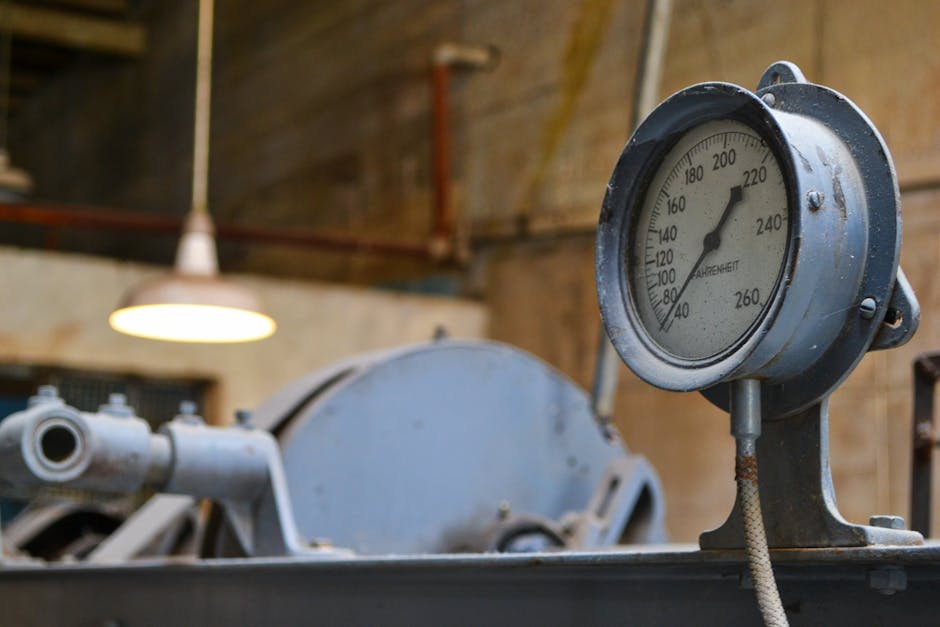
Your boiler's pressure gauge is one of the most important indicators of its health, yet many homeowners don't understand what the readings mean. The pressure gauge shows the water pressure inside your heating system, measured in bar. Most modern boilers operate safely between 1 and 2 bar, with the ideal operating pressure typically around 1.5 bar.
When your boiler is cold, the pressure should be around 1 bar. As the system heats up, the pressure naturally rises slightly, which is completely normal. However, if your pressure regularly drops below 1 bar or climbs above 2.5 bar, this signals a problem that needs attention.
Common Pressure Problems
Low pressure is the most frequent issue homeowners encounter. This usually indicates a water leak somewhere in your system, either in the boiler itself or in the pipework. Even a small, slow leak can gradually reduce pressure over weeks or months. If you notice damp patches under radiators or near pipework, investigate immediately.
High pressure can occur if your expansion vessel has failed or if there's a blockage in the system. An expansion vessel is a small tank that absorbs excess water as it heats and expands. When it fails, pressure builds dangerously.
What to Do
If pressure drops below 1 bar, you may be able to re-pressurise the system yourself using the filling loop—a small flexible pipe near your boiler. Check your manual for instructions, as the process varies between models. Never force excessive water in; stop when you reach 1.5 bar.
If pressure keeps dropping after re-pressurising, you have a leak that requires professional investigation. Don't ignore this, as running a boiler with insufficient pressure can damage the pump and heat exchanger.
High pressure situations always warrant calling a qualified engineer. Never try to reduce pressure yourself by bleeding the system, as this can introduce air into the pipework and cause other problems.
Prevention Tips
- Check your pressure gauge monthly and record readings
- Bleed radiators annually to remove trapped air
- Inspect visible pipework for signs of leaks
- Have your boiler serviced annually by a Gas Safe engineer
Understanding your boiler pressure gauge helps you spot problems early, potentially saving you from costly emergency repairs and ensuring your heating system runs efficiently all winter long.